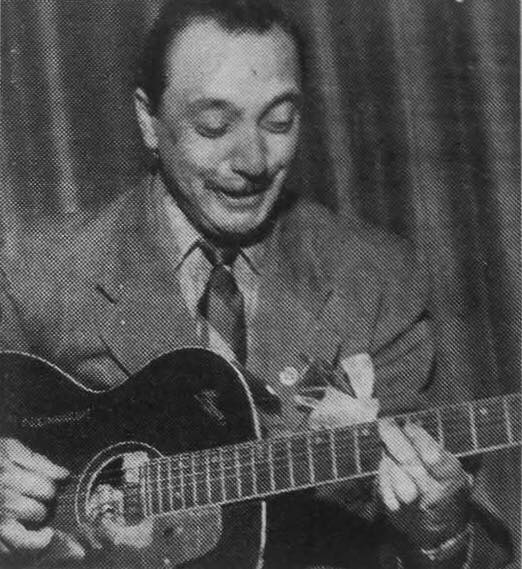
Publiée dans un programme radio de 1953 (Radiocorriere), cette photo a été prise en studio à Rome en 1950, dans les studios de la RAI, Via Asagio.
Django Reinhardt joue sur une guitare Mogar équipée d’un micro de guitare éléctrique. On a souvent pensé que Django avait fait ces enregistrements avec une archtop à cause de ce son typique mais le micro est ici rapporté.
En examinant les détails, tout porte à croire que ce cliché a été pris en même temps que l’autre photo de cette session d’enregistrement, déjà connue, représentant Django avec le saxophoniste André Ekyan, le contrebassiste Alf Masselier et le pianiste Ralph Schécroun. Il manque le batteur Roger Paraboschi sur la photo.
Le virtuose manouche à en tout cas l’air de s’amuser comme un fou sur ce « nouveau » cliché.
Merci à Guillaume Lesigne d’avoir partagé cette découverte faite grâce à un groupe de collectionneurs italiens.
* * * * *
Published in a 1953 radio program (Radiocorriere), this photo was taken in a studio in Rome in 1950, at the RAI studios on Via Asagio.
Django Reinhardt is playing a Mogar guitar equipped with an electric guitar pickup. It was often thought that Django made these recordings with an archtop guitar because of this distinctive sound, but the pickup is a separate piece.
Examining the details, everything suggests that this photo was taken at the same time as the other known photo from this recording session, showing Django with saxophonist André Ekyan, bassist Alf Masselier, and pianist Ralph Schécroun. Drummer Roger Paraboschi is missing from the photo.
The Gypsy virtuoso certainly looks like he’s having a blast in this « new » picture.
Thanks to Guillaume Lesigne for sharing this discovery, made thanks to a group of Italian collectors.
Après de nombreuses années dans le monde du jazz manouche, j’ai pensé qu’il serait utile de recenser tous les noms de luthières, luthiers et marques ayant fabriqué ou fabriquant actuellement des guitares dites « manouches ». Tous ? En tout cas le maximum.
Après de longues recherches, voici la liste que j’ai pu établir. Evidemment et pour notre plus grand plaisir, cette liste évolue et va continuer à s’étoffer.
N’hésitez pas à laisser un commentaire pour signaler tout nom qui aurait échappé à ma vigilance. Vous trouverez tous les luthiers et marques de guitare manouche à travers le monde que j’ai pu recenser.
La liste contient les luthiers disparus, vivants, actifs ou pas. Les noms sont classés par nom de famille. Les liens disponibles seront ajoutés au fur et à mesure.
Que le swing soit avec vous !
Gypsy guitar makers list
After many years in the gypsy jazz community, I thought it would be useful to list all the luthiers (and brands) who have made or are currently making gypsy guitars. All of them? Let’s say: the maximum. After years of research, here is the list I was able to establish. Obviously and for our greatest pleasure, this list will keep growing.
Please do not hesitate to leave a comment or contact me to let me know about any name that may have been ignored. You will find hereafter all the gypsy guitar makers and brands around the world that I have been able to collect.
The list contains those who are gone, alive, active or not. Names are sorted by family name: the available links will be progressively added.
May the swing be be with you!
Liste des luthiers de guitare manouche / Gypsy guitar makers list
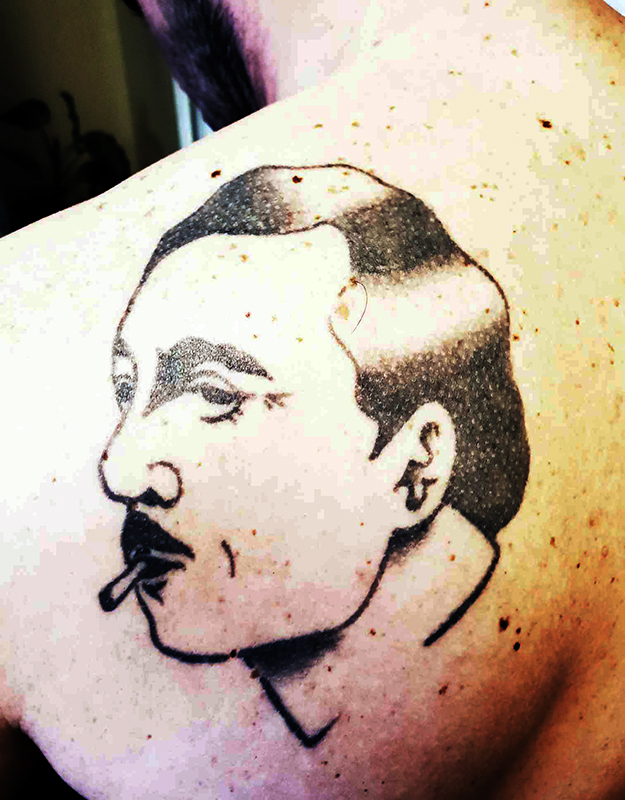
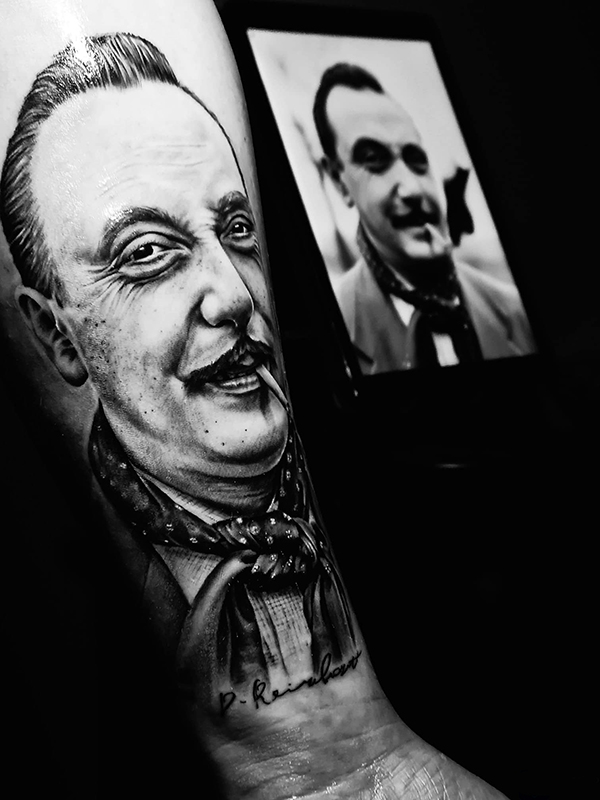
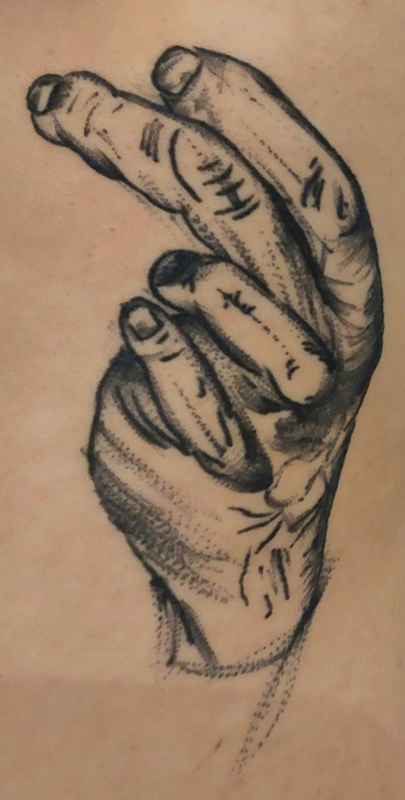
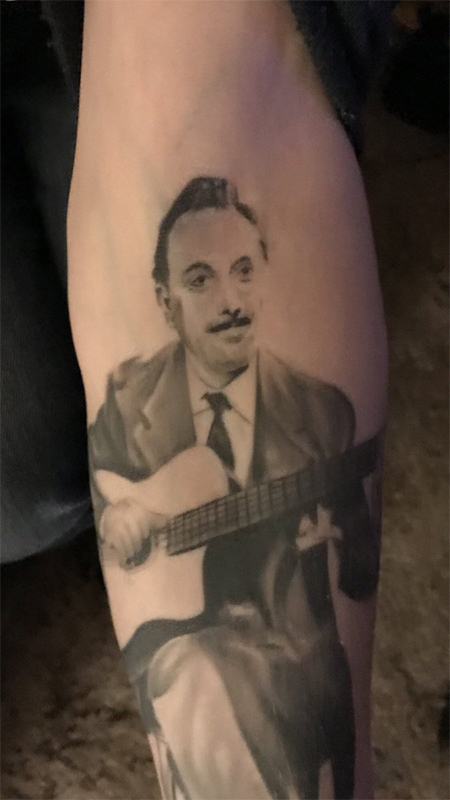
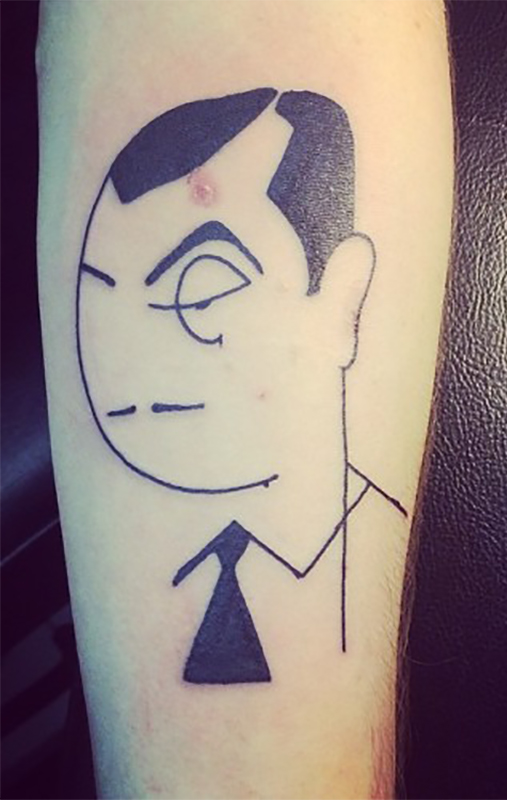
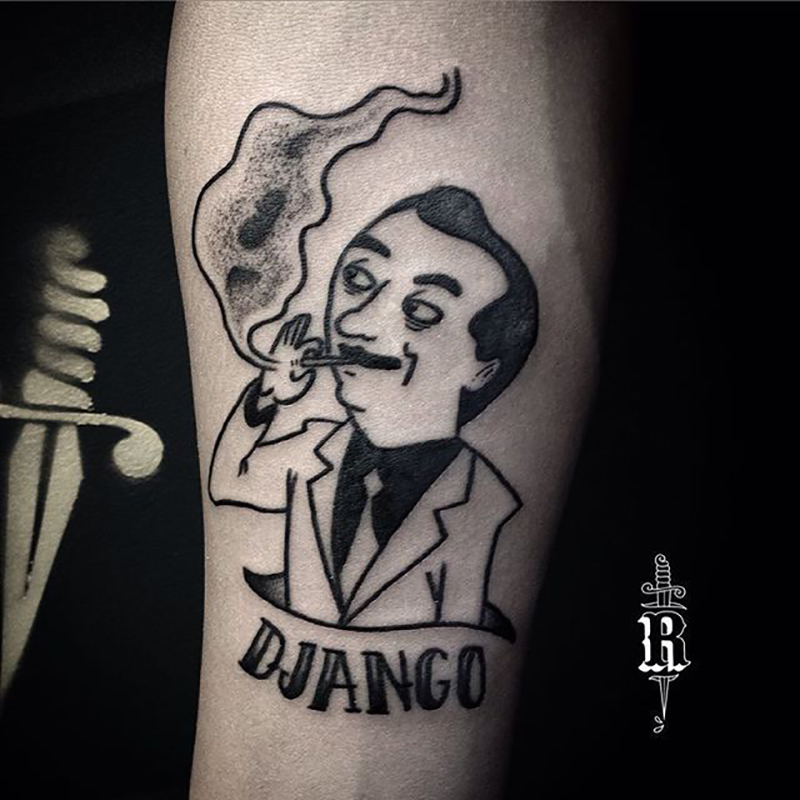
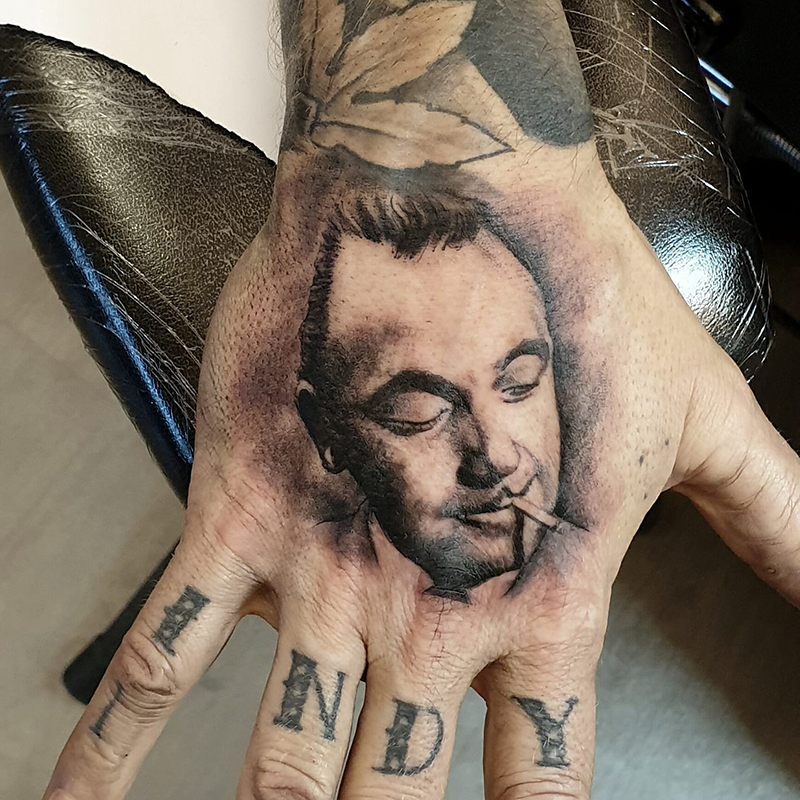
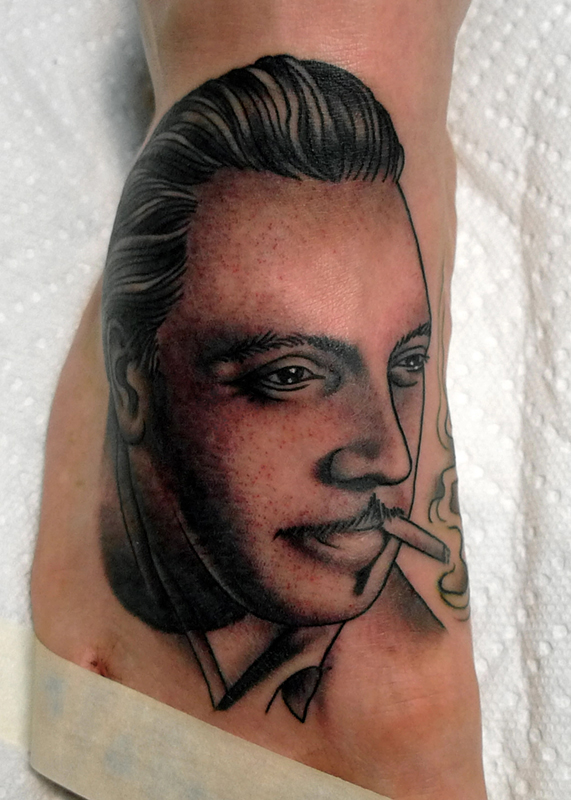
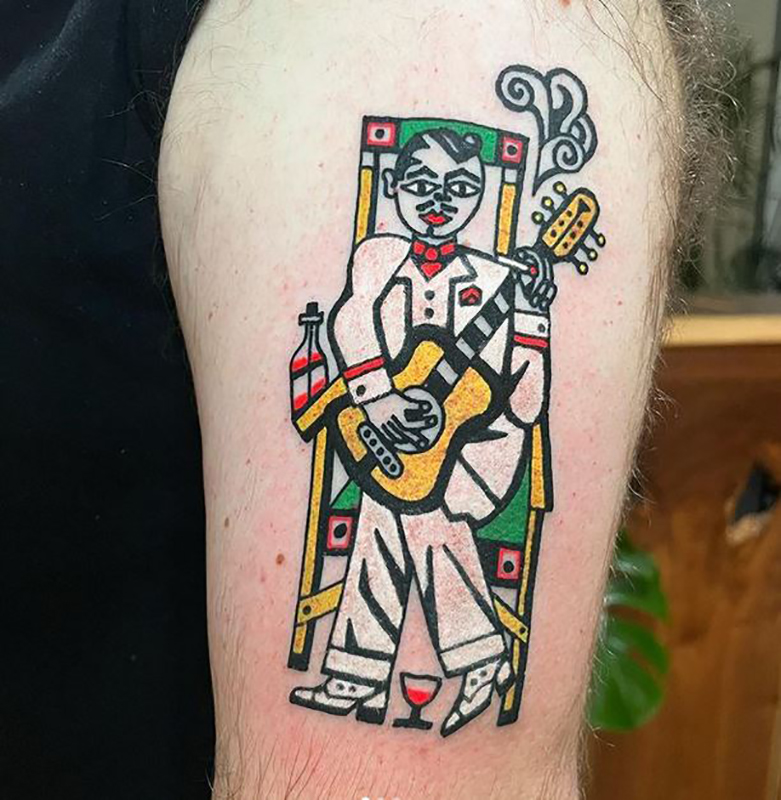
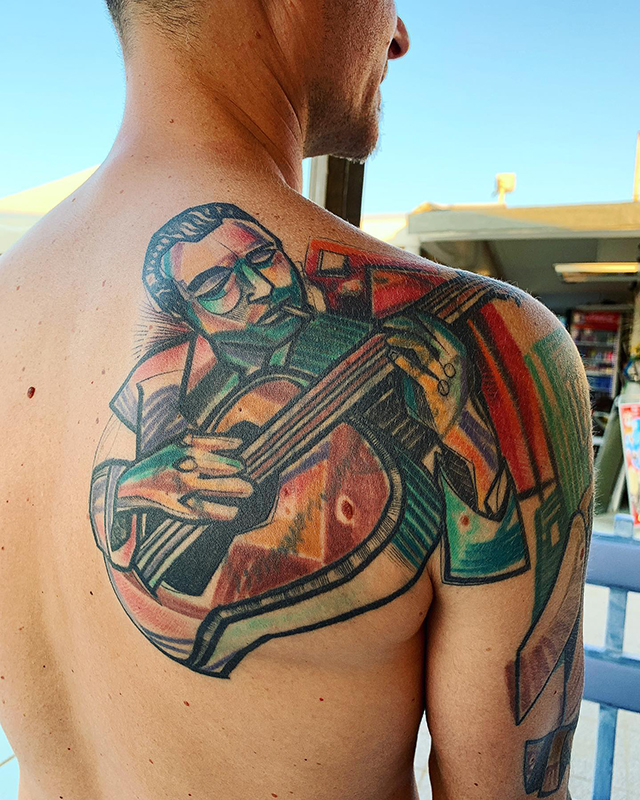
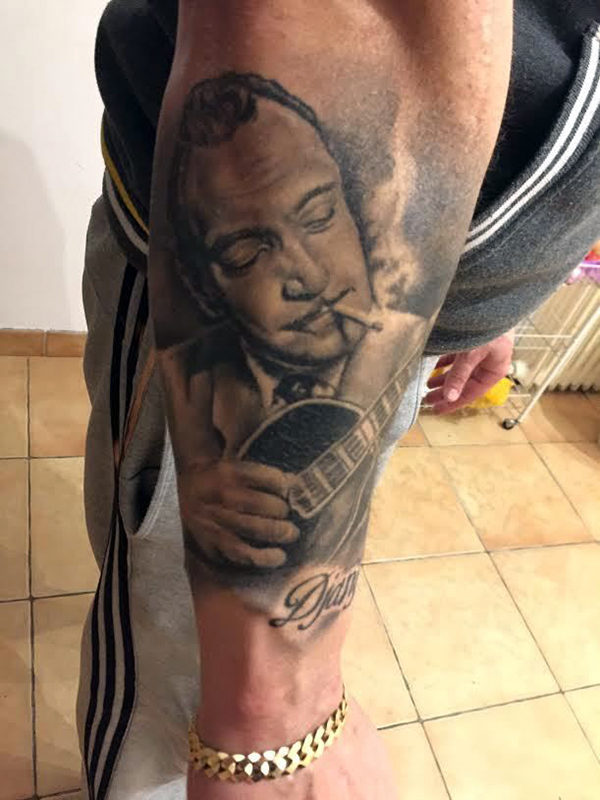
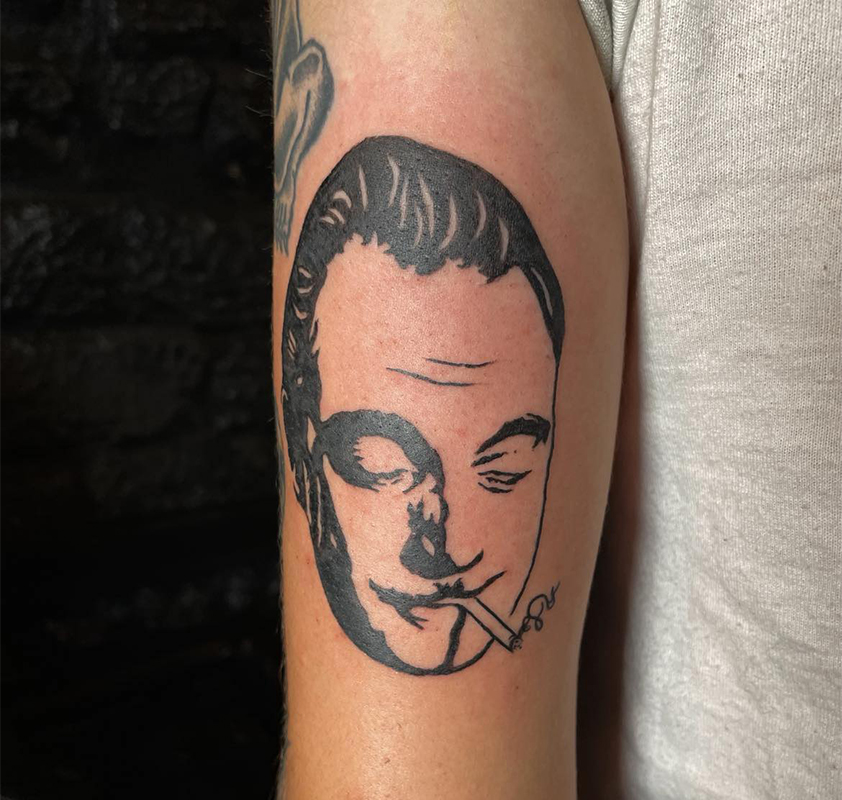
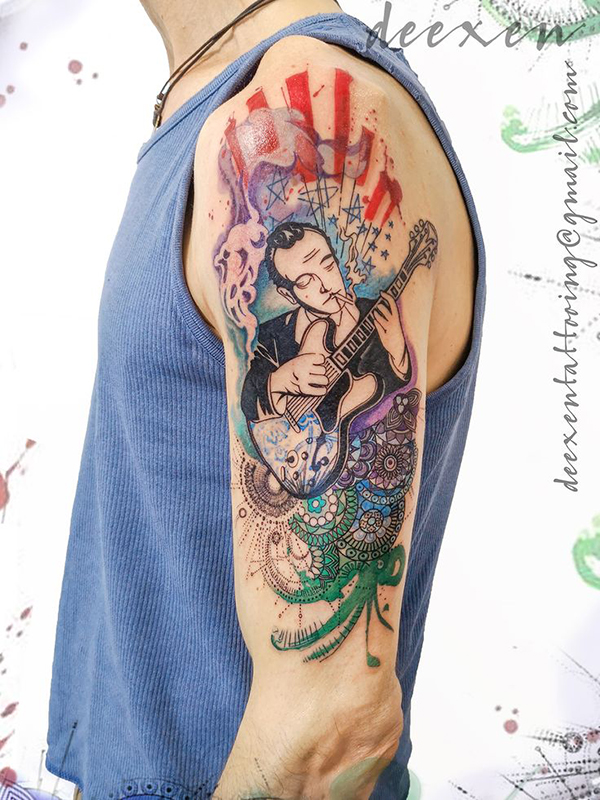
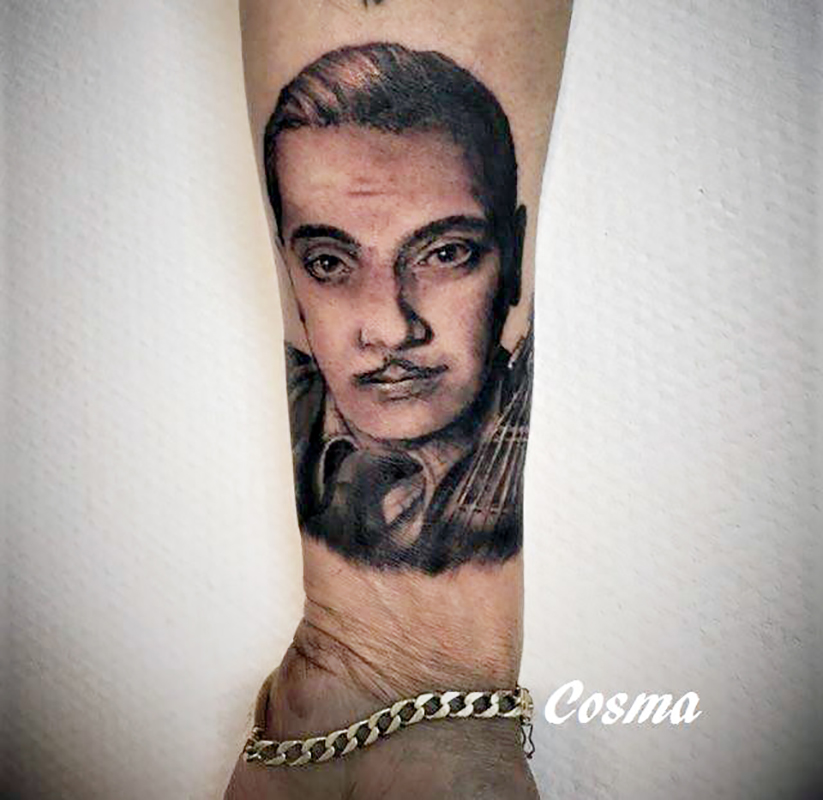
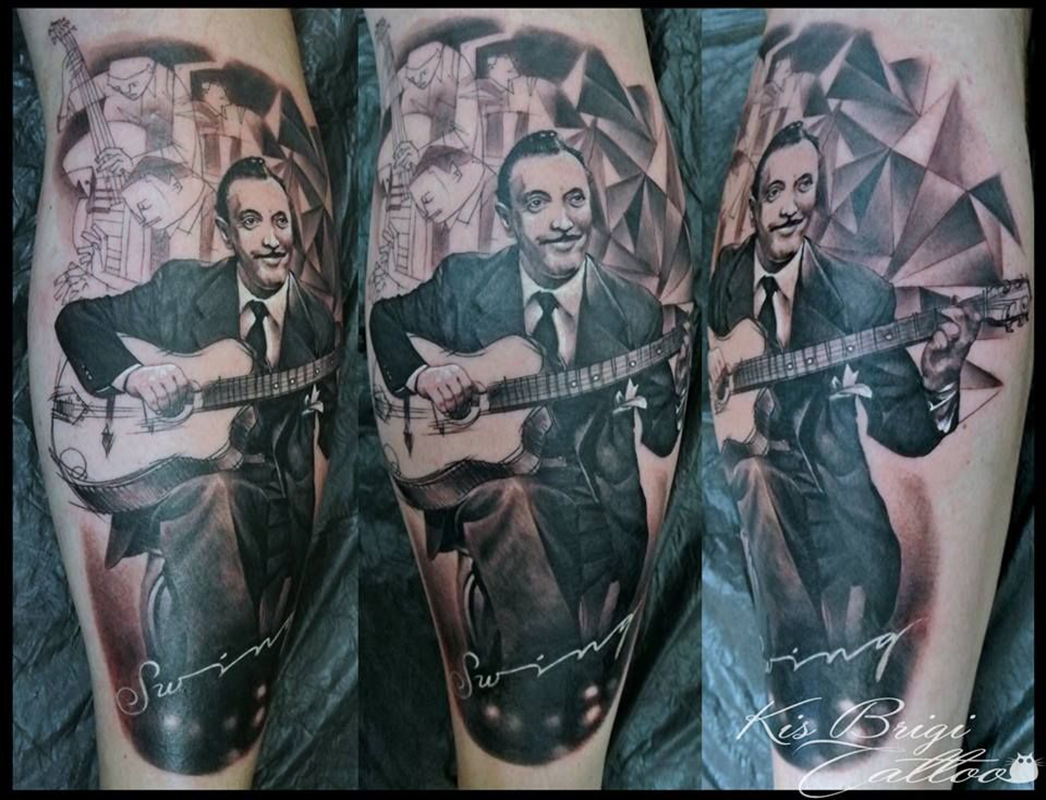
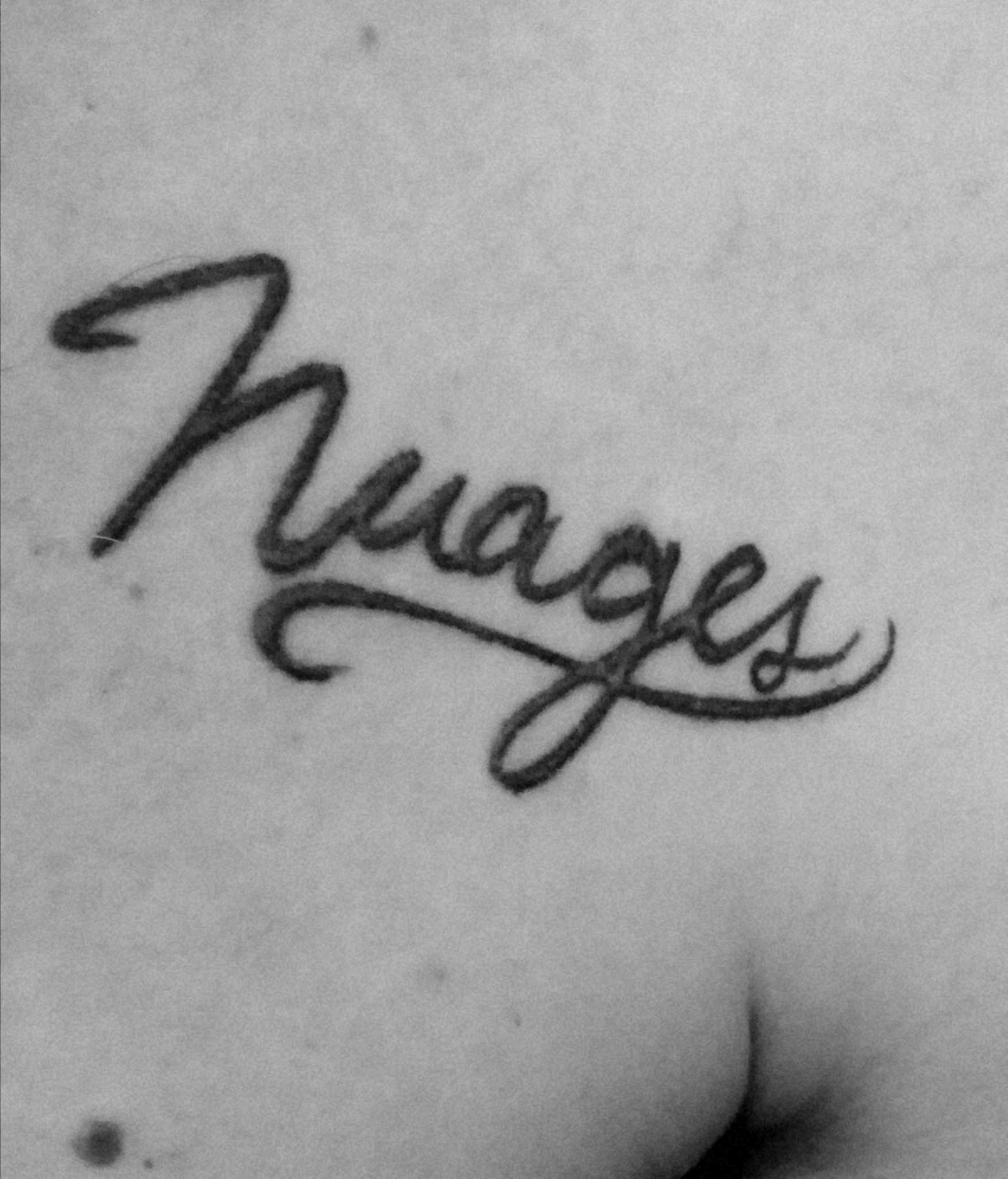
J’ai réuni pour vous une collection de photos des plus beaux tatouages / tatoos de Django Reinhardt ! N’hésitez pas à m’envoyer le vôtre si il n’y figure pas.
Django tattoos: I’ve got you under my skin!
« Je t’ai dans la peau » comme chantait Frank Sinatra… Lorsqu’ils ont une idole, certaines et certains fans n’hésitent pas à sauter le pas et à figer son portrait dans leur chair. Après avoir cherché et collecté le maximum de photos, j’ai le plaisir de pouvoir vous présenter ce petit florilège de tatouages de Django.
Une grande variété de tatouages de Django Reinhardt
Chaque tatouage est présenté anonymement mais le nom de l’artiste tatoueur est indiqué chaque fois que l’information a pu être trouvée. On y trouve des représentations du visage de Django, des portraits du guitariste en train de jouer sa guitare Selmer ou encore l’évocation de sa célèbre main gauche, brûlée à 18 ans et privée de l’usage de deux doigts.
Du photo réalisme au style art déco, la variété des styles et des interprétations est de mise.
Place aux images et bravo à tous ces artistes tatoueurs pour leur travail !
Aloe from AmsterdamMr Timo TattooLaura LagardeInspiré du dessin de Jan MaraRéalisé par / made by YorimaVirginia ElwoodRéalisé par / made by Mikiri GalleryRéalisé par / made by Matteo CascettiRéalisé par / made by Manu BadetJesse BorenGhali CustomDeexenCosmaKis Briqi@saezartworksRéalisé par / made by Black Buddah
In this exclusive article, I’ve put together a collection of photos of Django Reinhardt’s most beautiful tattoos! Don’t hesitate to send me yours.
Django, « Je t’ai dans la peau »
“I’ve got you under my skin”, as Frank Sinatra sang… When they have an idol, some fans don’t hesitate to take the plunge and freeze his or her portrait in their flesh. After having searched and collected the maximum of photos, I’m delighted to present you with this anthology of Django Reinhardt tattoos.
A great variety of Django Reinhardt tattoos
Each tattoo is presented anonymously but the name of the tattoo artist is indicated wherever this information can be found. There are representations of Django’s face, portraits of Django playing his Selmer guitar, and evocations of his famous left hand, burned at the age of 18 and deprived of the use of two fingers.
From photo realism to art deco, a nice variety of styles and interpretations are on display.
Congratulations to all these tattoo artists for their work!
Le médiator ( aussi dénommé mediateur, plectre, plume…) est un objet de tourment et de fantasme permanent chez les guitaristes, trop souvent envisagé comme un Graal qui ouvrirait instantanément les portes de la virtuosité.
C’est en tout cas l’espoir secret de beaucoup d’entre eux et les amateurs de jazz manouche ne font pas exception. On se souvient du raz-de-marée de médiators Dunlop Tortex violets qui a submergé la communauté jazz manouche après que de fébriles scrutateurs l’aient repéré sous les doigts de Biréli Lagrène lors de la publication en 2004 du DVD culte, « Live à Vienne ». L’on n’ose alors imaginer les réactions à la découverte des plectres du grand Django Reinhardt. Roulement de tambour… La fébrilité et les coulées de sueurs s’installent.
Grâce à quelques saintes reliques et témoignages, tentons de trouver une réponse à cette question existentielle.
Django et ses médiators
Il existe une constante en jazz manouche pour le choix du médiator, à savoir : disposer d’un plectre suffisamment rigide pour qu’il ne plie pas. En dehors de cela, vous lirez ou entendrez énormément d’avis différents, principalement motivés par des ressentis, croyances ou considérations commerciales diverses. Pour faire le point et lever certains mythes, vous pourrez d’ailleurs bientôt lire ici un article à ce sujet. Mais alors ? Que pouvait donc bien utiliser Django Reinhardt ?
Jusqu’à l’arrivée des médiators en matière synthétique au courant du 20e siècle (PVC, nylon…), la plupart des plectres étaient fabriqués en écaille de tortue ou en corne. La bakélite, un plastique aux composants naturels, pouvait être utilisée à l’occasion. L’écaille de tortue a cependant l’avantage de produire un son clair, équilibré et puissant tout en absorbant la transpiration, ce qui favorise sa tenue et réduit les glissements. Aujourd’hui quasiment interdit à la vente, cette matière était à l’époque de Django onéreuse mais courante.
Comme tous les musiciens de son temps, Django utilisait ce type de médiator. Il jouait sur une guitare acoustique, non amplifiée, dans un contexte de danse ou entouré d’instruments très sonores comme l’accordéon ou le violon. Il avait par conséquent besoin d’un médiator rigide, ne pliant pas, afin d’exploiter au maximum les possibilités acoustiques de sa guitare.
Plusieurs témoignages issus de sa famille ou de ses contemporains musiciens rapportent qu’il s’était déjà fabriqué des médiators. C’est plus que probable car de nombreux guitaristes (en particulier manouches) en font autant. On sait de plus que Django était très habile de ses mains pour toutes sortes d’activités.
Selon certains témoignages, faute de médiator, Django aurait même joué avec une dent de peigne pendant plusieurs jours durant un engagement sur la côte normande ! Quelques boutons en corne, provenant de veston ou de pantalons, ont paraît-il fait l’affaire plusieurs fois. Toujours est-il que plusieurs reliques subsistent aujourd’hui.
Le précieux médiator de Django
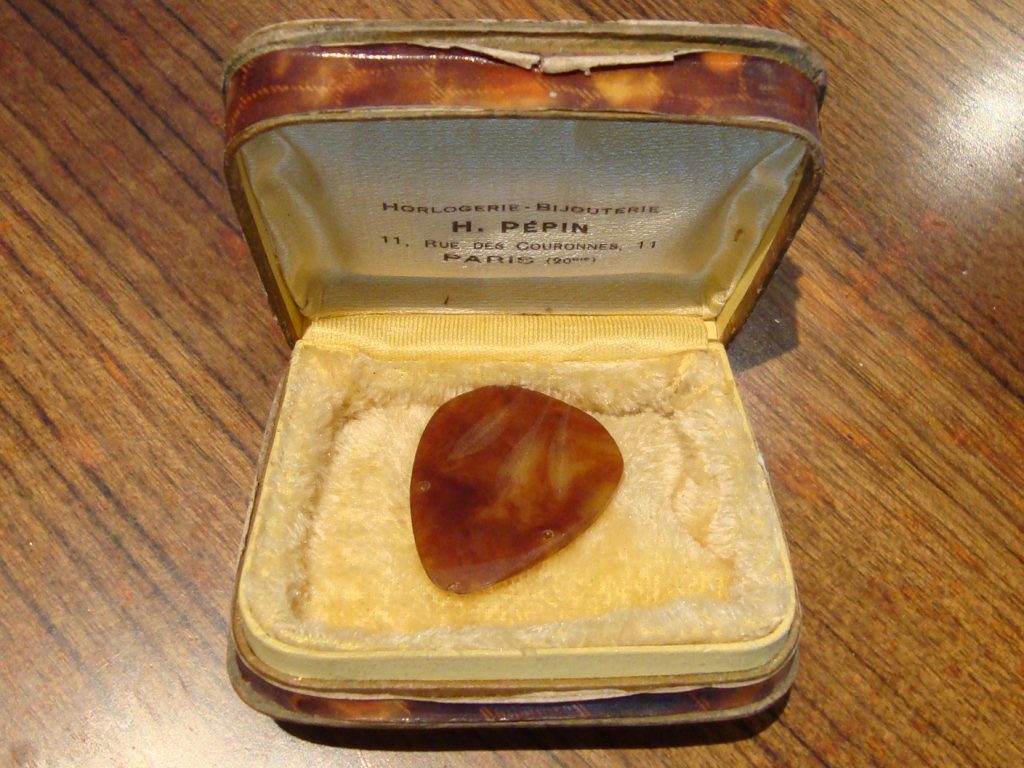
La première relique fut conservée par l’historien et Djangologiste Alain Antonietto. Elle lui fut léguée par Sara « Tsanga », une des soeurs de Django Reinhardt. Ce plectre finement décoré a probablement été fabriqué à partir d’une boîte, d’un peigne ou d’un accessoire. La présence de deux petits trous, sans aucune utilité sur un médiator, laisse penser qu’il s’agit de récupération. La couleur de l’écaille est a priori claire (ou « blonde ») et la pointe est légèrement abîmée par un éclat manquant.
Il est intéressant de signaler que selon Alain Cola (créateur des guitares Dell’Arte), Roger Chaput en possédait un similaire. Chaput, ancien pompiste du Hot Club de France, s’en servait sur une guitare classique à cordes nylon. Lorsqu’ Alain Cola demanda un jour à Chaput où il avait acheté ce plectre, ce dernier répondit : « C’est un médiator « à la Django » « .
1. Un médiator ayant appartenu à Django Reinhardt /Collection Alain Antonietto
Un médiator de Django Reinhardt transmis par Stéphane Grappelli
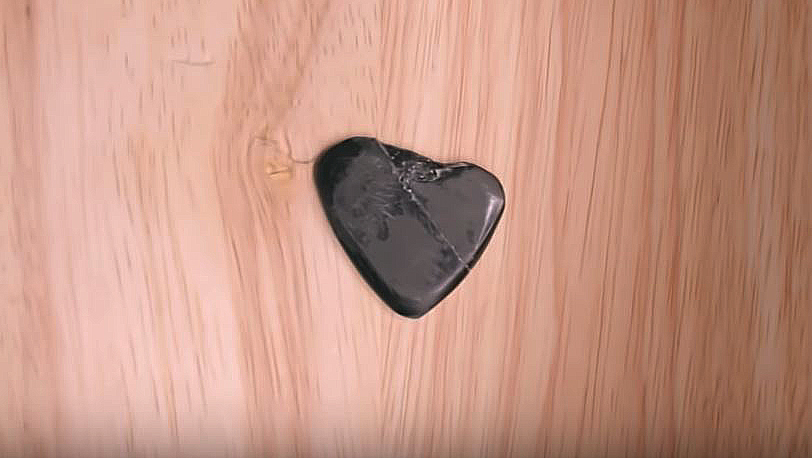
Le second médiator de Django dont nous avons connaissance est très intéressant car il fut conservé par Stéphane Grappelli en personne avant qu’il ne l’offre à Martin Taylor. On remarque sur une video (vers 6’30) que ce médiator a été recollé (Martin Taylor le compare d’ailleurs à un coeur brisé). Outre une épaisseur visiblement généreuse et une apparence rustique voire « fait maison », l’élément le plus notable est sa conception à trois pointes. Chacune des extrémités présente une usure ou une taille différente. Ces pointes ont-elles été façonnées à dessein, avec des profils spécifiques pour le solo ou pour l’accompagnement ? Le fait d’avoir trois pointes permettait en tout cas de prolonger la durée de vie du plectre qui n’en dispose la plupart du temps que d’une seule.
2. Médiator de Django Reinhardt transmis par Stéphane Grappelli à Martin Taylor.
Jamais deux sans trois : la reproduction d’un médiator de Django
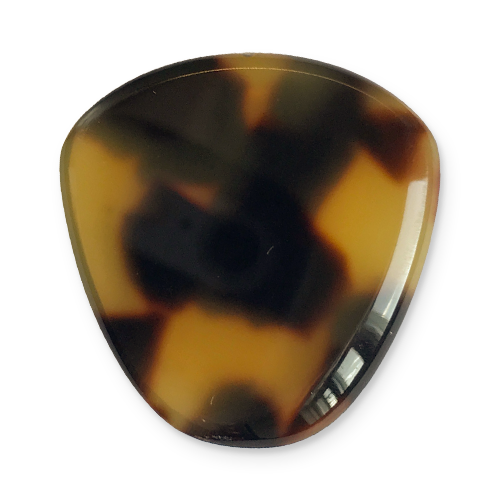
Clôturons le tryptique avec ce troisième exemple dont la marque Manouche Picks propose des reproductions disponibles à la vente. A en croire les dimensions annoncées, ce médiator de Django Reinhardt tiendrait plus du bouton de veston que du médiator : il est très épais (au moins 4mm) et assez petit (27 x 28mm). Jokko Santing, fondateur de Manouche Picks donne quelques éclairages intéressants sur l’origine de ce médiator. Lullo Reinhardt avait hérité de l’original et le confia à Jokko pour en produire une copie. Celui-ci précise qu’il a en fait pu observer non pas un mais deux médiators originaux ! Leur authenticité lui a été confirmé par plusieurs membres directs de la famille de Django.
3. Reproduction d’un médiator ayant appartenu à Django Reinhardt / Manouche Picks
A la vue de ces trois spécimens, un faisceau d’indices pointe donc vers un recours régulier à un plectre d’une épaisseur minimale d’environ 1,2 / 1,5 mm et pouvant aller jusque 4 mm. Cette épaisseur pouvait toutefois être encore plus conséquente, selon ce que Django avait sous la main !
Which picks did Django Reinhardt use?
The pick (also known as mediator, plectrum…) is an object of torment and perpetual fascination among guitarists, too often seen as a Holy Grail that would instantly open the doors to virtuosity.
This is, in any case, the secret hope of many of them, and gypsy jazz enthusiasts are no exception to that. Let’s remember the tidal wave of purple Dunlop Tortex picks that inundated the gypsy jazz community after eagle-eyed observers spotted it under of Biréli Lagrène’s fingers after the 2004 release of the cult DVD, « Live à Vienne. » One can then imagine the reactions to the discovery of the great Django Reinhardt’s picks. Drumroll… Excitement and beads of sweat set in.
Thanks to a few sacred relics and testimonies, let’s try to find an answer to this existential question.
Django and his picks
There is a constant in gypsy jazz for pick selection, namely: having a pick rigid enough not to bend. Appart from that, you will read or hear a lot of different opinions, mainly motivated by various feelings, beliefs, or commercial stakes. To clarify and dispel some myths, you will soon have access to an article on this subject here. What could Django Reinhardt use?
Until the arrival of synthetic picks in the 20th century (PVC, nylon…), most picks were made of tortoiseshell or cattle horn. Bakelite, a plastic with natural components, could also be used on occasion. Tortoiseshell, however, has the advantage of producing a clear, balanced, and powerful tone while absorbing sweat, which promotes grip and reduces slipping. Nowadays almost banned for sale, this material was expensive but common in Django’s time.
Like all musicians of his time, Django used this type of pick. He played on an acoustic, non-amplified guitar, in dancehall context or surrounded by very loud instruments like the accordion or the violin. He, therefore, needed a rigid pick, not bending, to exploit the acoustic possibilities of his guitar to the fullest.
Several testimonies from his family or contemporaneous musicians report that he had already made his picks. This is highly probable because many guitarists (especially gypsy ones) do the same. It is also known that Django was very skilled with his hands for all kinds of activities.
According to some accounts, lacking a pick, Django even played with a comb tooth for several days during a gig on the Normandy coast! A few horn buttons, from a jacket or pants, apparently did the trick several times. Several relics, nonetheless, still exist today.
Django’s precious pick (photo 1)
The first relic was preserved by the historian and Djangologist Alain Antonietto. It was bequeathed to him by Sara « Tsanga, » one of Django Reinhardt’s sisters. This finely decorated pick was probably made from a box, a comb, or an accessory. The presence of two small holes, with no use on a pick, suggests that it is a recycled item. The color of the shell is presumably light (or « blonde »), and the tip is slightly damaged by a missing chip.
Here’s an interesting fact: according to Alain Cola (creator of Dell’Arte guitars), Roger Chaput had a similar one. Chaput, a former rhythm player of the early Hot Club de France, used it on a classical guitar with nylon strings. When Alain Cola asked Chaput where he had bought this pick, he replied, « It’s a ‘Django-style’ pick. »
A Django Reinhardt pick passed down by Stéphane Grappelli (photo 2)
The second pick from Django that we are aware of is very interesting because it was kept by Stéphane Grappelli himself before he gave it to Martin Taylor. In a video (around 6’30), it can be seen that this pick has been glued back together (Martin Taylor even compares it to a broken heart). Besides an evidently generous thickness and a rustic, almost « homemade » appearance, the most notable element is its three tips design. Each of the ends shows a different wear or size. Were these tips intentionally shaped with specific profiles for soloing or accompaniment? Having three tips, in any case, allowed for an extended lifespan of the pick, which typically only has one.
Things always come in threes : reproduction of a Django pick (photo 3)
Let’s conclude the trilogy with this third example, from which Manouche Picks sells reproductions. Judging by the dimensions, this Django Reinhardt pick resembles more a jacket button than a common pick: it is very thick (at least 4mm) and quite small (27 x 28mm). Jokko Santing, the founder of Manouche Picks, sheds some interesting light on the origin of this pick. Lullo Reinhardt had inherited the original and entrusted it to Jokko to produce a copy. He specifies that he was actually able to observe two original picks. Their authenticity was confirmed to him by several direct members of Django’s family.
Considering these three specimens, a cluster of clues suggests a consistent use of a pick with a minimum thickness of around 1.2 / 1.5 mm and potentially up to 4 mm. However, this thickness could be even more substantial depending on what Django had at his disposal!